
Umananda Temple
Distance from Hotel Prince B - 2.7 KM
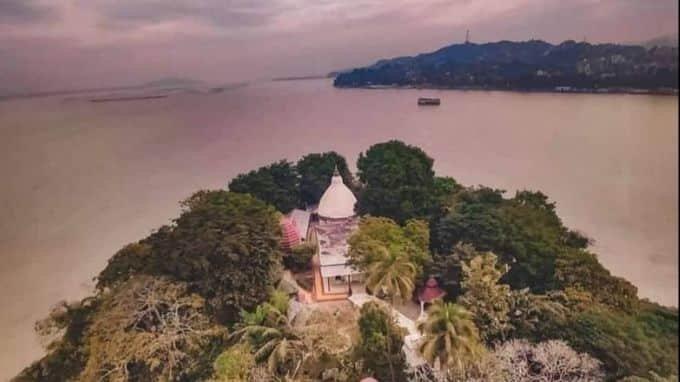
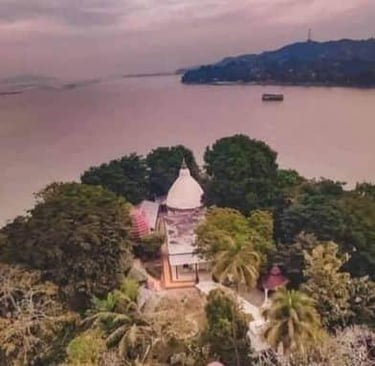
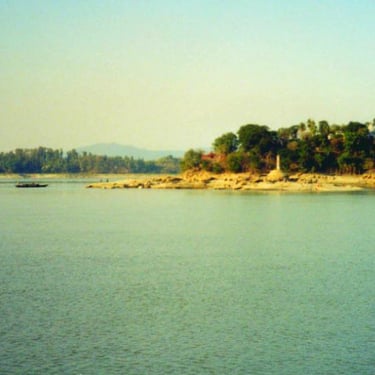
Umananda Temple is a revered Hindu shrine dedicated to Lord Shiva, situated on Peacock Island in the Brahmaputra River near Guwahati, Assam, India. It is among the smallest inhabited river islands in the world and is renowned for its serene surroundings and mythological significance.
Key facts
Location: Peacock Island, Brahmaputra River, Guwahati, Assam
Deity: Lord Shiva (as Umananda or Bhayananda)
Built by: Ahom King Gadadhar Singha (1681–1696)
Primary festival: Maha Shivaratri
Access: Ferry services from Uzan Bazaar and Kachari Ghat
Historical background
The temple was commissioned in the late 17th century by Ahom King Gadadhar Singha and reflects a blend of traditional Assamese and North Indian architectural styles. Although the original structure was partly damaged in the 1897 earthquake, it was later reconstructed, preserving its historical and spiritual essence.
Religious significance
According to Hindu mythology, the site marks where Lord Shiva resided in meditation and where Goddess Parvati (Uma) once found solace, giving rise to the name “Umananda” — meaning “the joy of Uma.” The temple attracts pilgrims especially during Maha Shivaratri, when rituals and prayers are conducted throughout the day and night.
Architecture and surroundings
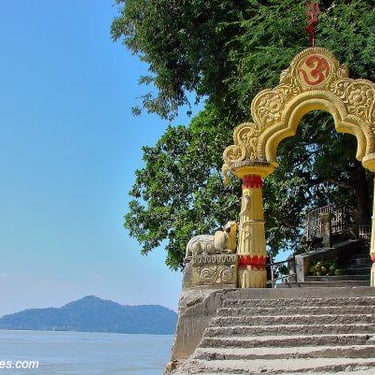
The shrine features finely carved stone sculptures depicting Hindu deities and mythological figures. Its location on the lush, riverine Peacock Island offers panoramic views of the Brahmaputra and Guwahati city. The island is also known for its population of golden langurs, adding ecological value to the site.
Accessibility and tourism
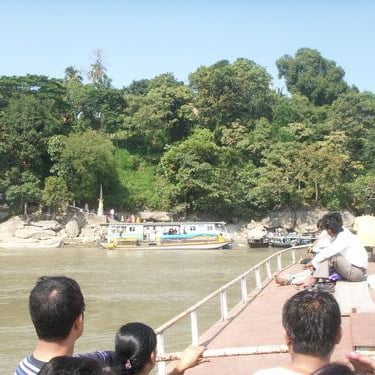
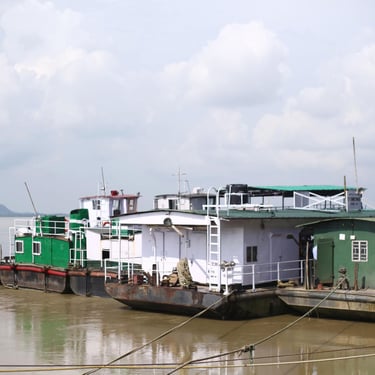
Visitors reach Umananda Temple via small ferries or country boats from Guwahati’s river ghats. The short ride and the temple’s peaceful setting make it a popular destination for both pilgrims and tourists seeking a scenic cultural experience.
Contact :
Reach us anytime for bookings or inquiries
Phone : +919876608800 , +919872208800
EMAIL: hotelprinceb@gmail.com
© 2026. All rights reserved.
ADDRESS:
HOTEL PRINCE B
Dr. B.Baruah Road, Opposite Nehru Stadium,
Ulubari, Guwahati-781007
Assam - India